
All posts by Scent Culture Institute: Smelling in Culture, Business & Society

Scent Culture Institute is a hub for projects on smelling in culture, business & society based in Switzerland: Thought leadership, cultural production, multi-sensory innovation; general management development; talks, workshops & consulting. SCI ist eine Platform für Projekte zum Geruchsinn, Riechen, Düften in Kultur, Wirtschaft, Unternehmen und Gesellschaft in der Schweiz (Zürich & Bern): Forschung, Entwicklung, Vorträge, Workshops, Beratung, kulturelle Produktion.

The factory as an attractive multisensory workspace

“The results of this study cast serious doubt on the ideology of the machine-haters. Even in the American automobile industry, where technology is allegedly most dehumanizing, workers expected satisfaction in their work. The situation differed little in the less industrial countries; autoworkers preferred working to leisure, not out of a sense of duty or a need for sociability, but because they thought that work ordered their lives. They did not see the factory as a restrictive and unattractive environment; on the contrary, most preferred its noise and smell to the antiseptic atmosphere of the office. Even rural migrants were not nostalgic about the farm and the urban-born rarely mused about the joys of farm life.”

Factory work is not the nemesis pictured by the postindustrial romanticists. The noise and the smell of the factory are much preferred to the dainty but dull routines of the office.

[blog_subscription_form title=”” title_following=”You are already subscribed” subscribe_text=”” subscribe_logged_in=”Please click to subscribe to this site” subscribe_button=”Click me!” show_subscribers_total=true]

References:

Form, W. H. (1976). Blue-Collar Stratification: Autoworkers in Four Countries. Princeton  N.J.: Princeton University Press, p. 135f.

Form, W. H. (1973). Auto Workers and Their Machines: A Study of Work, Factory, and Job Satisfaction in Four Countries. Social Forces, 52(1), 1–15, p. 13.

 

Perfume as art

“I like to think that every perfumer considers his or her work an art, and that a desire to create constitutes the motives for his work, because the perfumer is the first to appreciate the emotional investment he or she has put into the project. Unless freely chosen, collaborations with other perfumers can only do the utmost harm to a project.” – JEAN-CLAUDE ELLENA

Continue reading Perfume as art

Fragrant Christmas!

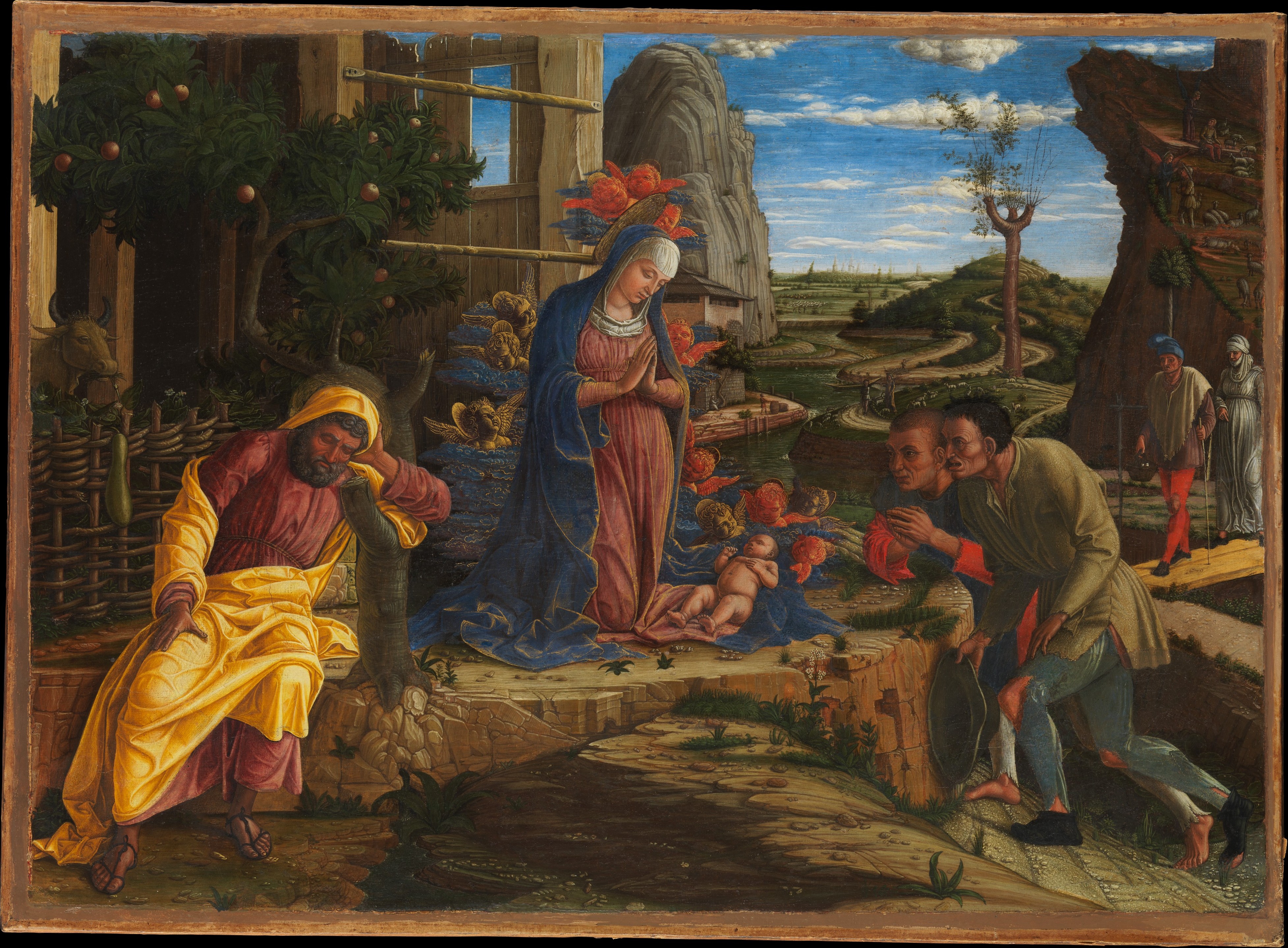
Oranges are native to China. In the late Middle Ages they were new to Europe. Andrea Mantegna was clearly aware of orange trees and their beautiful golden fruit when he created this fragrant image of the Holy Night, the Adoration of the Shepherds:

DP213831

The scene is set in an open space, with Mary in the middle, adoring the child while kneeling on a stone step, while to her right Joseph is sleeping, and to her left two shepherds pray.

[blog_subscription_form title=”” title_following=”You are already subscribed” subscribe_text=”” subscribe_logged_in=”Please click to subscribe to this site” subscribe_button=”Click me!” show_subscribers_total=true]
Morris, E. T., & Metropolitan Museum of Art (New York, N. (1999). Scents of time: perfume from ancient Egypt to the 21st century. Munich ; London ; New York: Prestel, p. 66.